SIMERP Compliance: Understanding IRS, HIPAA, and ERISA Requirements
A comprehensive look at the regulatory framework behind the Self-Insured Medical Expense Reimbursement Program and why compliance-conscious executives trust it.
For any executive evaluating a tax savings strategy, compliance is the first question—and rightfully so. The Self-Insured Medical Expense Reimbursement Program is built on a foundation of well-established federal tax law and regulatory standards.
The IRS Framework
SIMERP operates under several interconnected sections of the Internal Revenue Code:
These are not novel interpretations or aggressive tax positions. They are established provisions that have been in the tax code for decades.
HIPAA Compliance
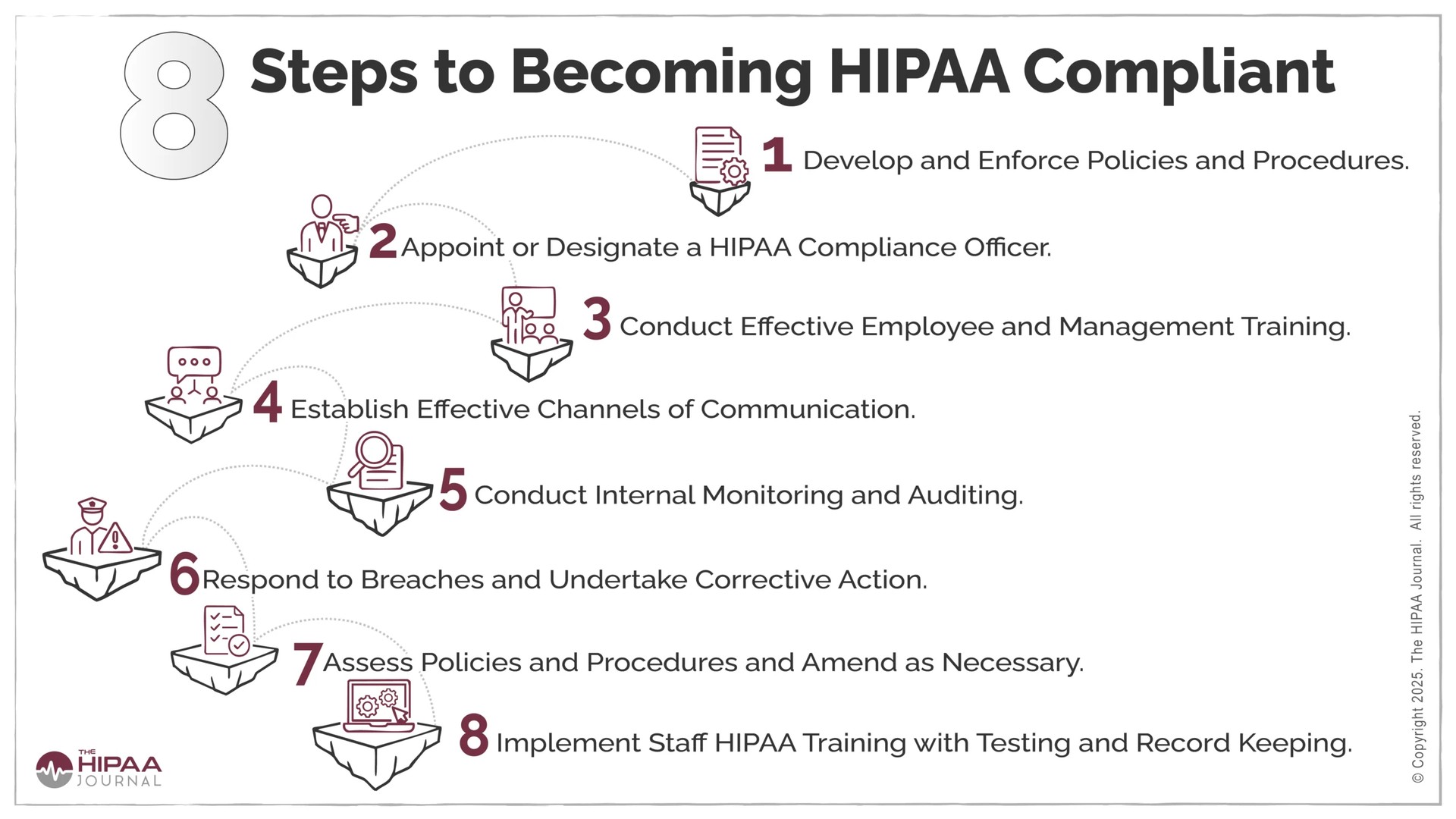
The Health Insurance Portability and Accountability Act requires that all health-related programs protect employee medical information. SIMERP and the associated Revive Health platform maintain full HIPAA compliance, including:
ERISA Compliance
As an employer-sponsored benefit plan, SIMERP adheres to the Employee Retirement Income Security Act, including:
ADA Compliance
The program maintains compliance with the Americans with Disabilities Act, ensuring accessible design and equitable benefit delivery across the workforce.
The Legal Protection Plan
Every SIMERP implementation includes a Legal Protection Plan. This means the program comes backed by legal review and documentation that protects employers in the event of any regulatory inquiry.
The Bottom Line for Compliance Officers
SIMERP is not a gray area strategy. It is a clearly defined, well-documented arrangement under existing federal law. Companies that implement it do so with confidence that every dollar saved is fully compliant.
Ready to See How Much You Could Save?
Take our free qualification assessment and discover if SIMERP is the right fit for your business.
Get Your Free Assessment