How to Reduce Workers' Compensation Costs by Up to 30%
Workers compensation premiums are a major expense for many businesses. Discover how preventive care programs and benefit restructuring can significantly lower your costs.
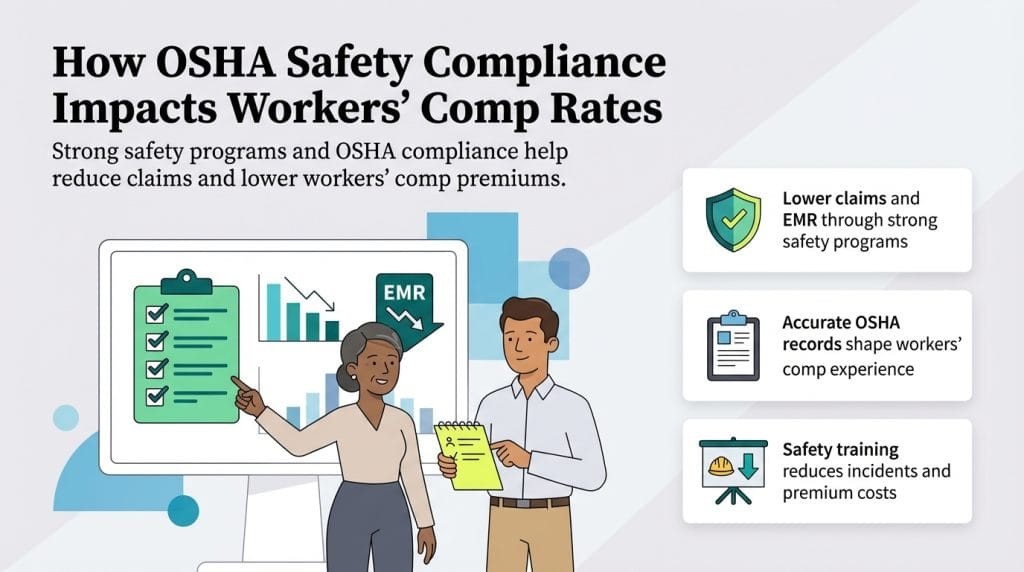
Workers’ compensation insurance is one of those expenses that feels completely out of your control. Premiums are set by insurers based on industry classification codes, claims history, and payroll volume—and they seem to go in only one direction: up.
But there are strategies that directly reduce both the frequency of claims and the payroll base on which premiums are calculated.
How SIMERP Lowers Workers’ Comp Costs
Workers’ compensation premiums are typically calculated as a rate per $100 of payroll. When SIMERP restructures a portion of taxable wages into tax-exempt medical reimbursements, it effectively reduces the payroll base used for premium calculations.
The result? Companies implementing SIMERP report workers’ compensation premium reductions of up to 30%.
The Preventive Care Factor
The Revive Health Preventive Care Management Program adds another layer of cost reduction. When employees have access to:
…they are less likely to experience the kinds of health events that lead to workers’ comp claims.
A Real-World Scenario
Consider a construction company with 150 employees and an annual workers’ comp premium of $450,000:
Add the FICA savings of approximately $95,850, and the total annual impact approaches $230,850—from a program that costs nothing to implement.
Industries with the Highest Impact
These industries tend to have both high workers’ comp premiums and large hourly W-2 workforces—the exact combination where SIMERP delivers maximum savings.
Getting Started
If your company has 10 or more W-2 employees and your workers’ comp premiums feel like an uncontrollable expense, a quick SIMERP assessment can show you exactly how much you could save.
Ready to See How Much You Could Save?
Take our free qualification assessment and discover if SIMERP is the right fit for your business.
Get Your Free Assessment